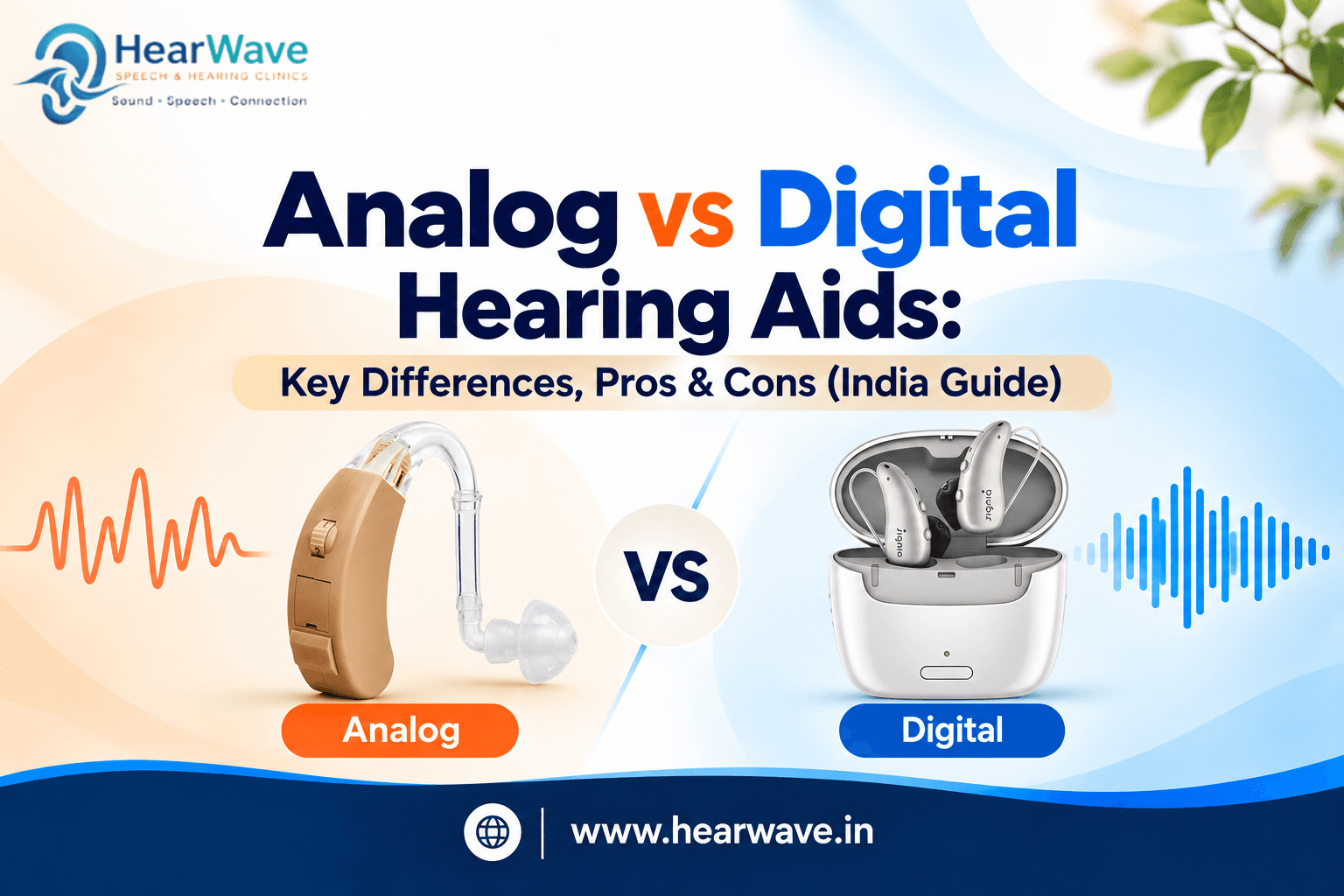
Digital Hearing Aids Explained: Types, Prices & Features (2026 Complete Guide)
Medically reviewed by Krishna Jain, Audiologist · June 20, 2026
Quick Answer
If you are planning to buy a hearing aid in 2026, one of the biggest questions is: Should you choose a digital hearing aid, and which type gives the best value?
Modern digital hearing aids have changed dramatically over the last few years. They are no longer simple sound amplifiers. Today’s devices use intelligent sound processing, AI-assisted noise reduction, Bluetooth connectivity, rechargeable batteries, and personalized hearing adjustments to help users hear more naturally.
Whether you are experiencing mild hearing difficulty or severe hearing loss, this guide explains digital hearing aid types, latest price ranges, features, audiologist recommendations, and what research says.
Digital Hearing Aid Price in India (2026) – Complete Pricing Guide
Before comparing features and technology, here’s a practical breakdown of digital hearing aid pricing in India.
Pricing Note
- One Ear Price = Single Hearing Aid
- Both Ears Price = Pair of Hearing Aids
- Pricing varies depending on fitting, hearing test, charger, warranty, accessories, and clinic services.
Digital Hearing Aid Price by Technology Level
| Technology Level | Suitable For | One Ear Price (₹) | Both Ears Price (₹) |
|---|---|---|---|
| Entry Level | Quiet environments | ₹20,000–₹60,000 | ₹40,000–₹1.2L |
| Mid Range | Daily conversations | ₹60,000–₹1.5L | ₹1.2L–₹3L |
| Premium | Meetings, social use | ₹1.5L–₹3L | ₹3L–₹6L |
| Flagship AI | Complex listening environments | ₹2L–₹5.5L+ | ₹4L–₹11L+ |
Digital Hearing Aid Price by Type
| Type | Suitable For | One Ear Price (₹) | Both Ears Price (₹) |
|---|---|---|---|
| RIC (Receiver-in-Canal) | Mild to Severe Loss | ₹35K–₹3L | ₹70K–₹6L |
| BTE (Behind-the-Ear) | Moderate to Profound Loss | ₹20K–₹2.5L | ₹40K–₹5L |
| ITE (In-the-Ear) | Moderate Loss | ₹40K–₹2L | ₹80K–₹4L |
| CIC / Invisible | Mild to Moderate Loss | ₹60K–₹3L | ₹1.2L–₹6L |
Rechargeable Digital Hearing Aid Price (2026)
Rechargeable hearing aids are among the fastest-growing categories because they remove frequent battery replacement.
| Model | Brand | Pair Price (₹) |
|---|---|---|
| Signia Orion Charge&Go | Signia | ₹90K–₹2L |
| Pure Charge&Go IX | Signia | ₹1.8L–₹6L |
| Phonak Audéo Infinio | Phonak | ₹1.7L–₹7.6L |
| Widex SmartRIC | Widex | ₹1.6L–₹7L |
| Oticon Intent | Oticon | ₹4L–₹11L |
| Starkey Edge AI | Starkey | ₹3.4L–₹8L |
Recommended Rechargeable Options
- Value → Signia Orion Charge&Go
- Premium → Phonak Audéo Infinio
- Natural Sound → Widex SmartRIC
Bluetooth Hearing Aid Price (2026)
Bluetooth hearing aids support:
- Phone calls
- Music streaming
- TV connectivity
- Smartphone app control
| Model | Brand | Pair Price (₹) |
|---|---|---|
| Phonak Audéo Infinio | Phonak | ₹1.7L–₹7.6L |
| Signia Pure Charge&Go IX | Signia | ₹1.8L–₹6L |
| Widex SmartRIC | Widex | ₹1.6L–₹7L |
| Oticon Intent | Oticon | ₹4L–₹11L |
| ReSound Nexia | ReSound | ₹2L–₹6L |
Best Bluetooth Choice
→ Phonak Audéo Infinio
Invisible Digital Hearing Aid Price (2026)
For users prioritizing discreet appearance.
| Model | Brand | Pair Price (₹) |
|---|---|---|
| Signia Silk Charge&Go IX | Signia | ₹2.8L–₹6L |
| Phonak Virto | Phonak | ₹1.8L–₹4L |
| Widex Moment CIC | Widex | ₹1.8L–₹3.6L |
| Oticon Own CIC | Oticon | ₹1.8L–₹6L |
| Starkey Genesis AI CIC | Starkey | ₹2L–₹4.4L |
Best Invisible Choice
→ Signia Silk Charge&Go IX
Popular Premium Digital Hearing Aid Models (2026)
| Model | Approx Pair Price (₹) | Best For |
|---|---|---|
| Phonak Audéo Infinio | ₹3.2L–₹7.6L | Overall Premium Performance |
| Signia Pure Charge&Go IX | ₹3L–₹6L | Speech in Noise |
| Widex SmartRIC | ₹3.6L–₹7L | Natural Sound |
| Oticon Intent | ₹4L–₹11L | Premium Listening |
| Starkey Edge AI | ₹3.4L–₹8L | Smart Features |
Quick Buying Guide
Under ₹1 Lakh
→ Entry BTE / RIC
₹1–₹2 Lakh
→ Mid-range Rechargeable Models
₹2–₹4 Lakh
→ Premium Bluetooth Hearing Aids
₹4 Lakh+
→ Flagship AI Hearing Aids
What Is a Digital Hearing Aid?
A digital hearing aid is an electronic device that captures environmental sounds and converts them into digital signals. The processor then analyzes those sounds and amplifies speech while minimizing unnecessary background noise.
Unlike older analog devices, digital hearing aids can:
- Separate speech from noise
- Adjust automatically across environments
- Connect to smartphones
- Store listening preferences
- Support remote tuning
- Deliver personalized amplification
How Digital Hearing Aids Work
Digital hearing aids usually follow three steps:
1. Sound Detection
Microphones pick up surrounding sounds.
2. Intelligent Processing
The processor analyzes frequencies and identifies speech and noise.
3. Sound Delivery
Optimized sound is delivered to the ear through the receiver.
Modern premium systems perform continuous environmental adjustments to improve comfort and speech understanding.
Types of Digital Hearing Aids
1. Receiver-in-Canal (RIC)
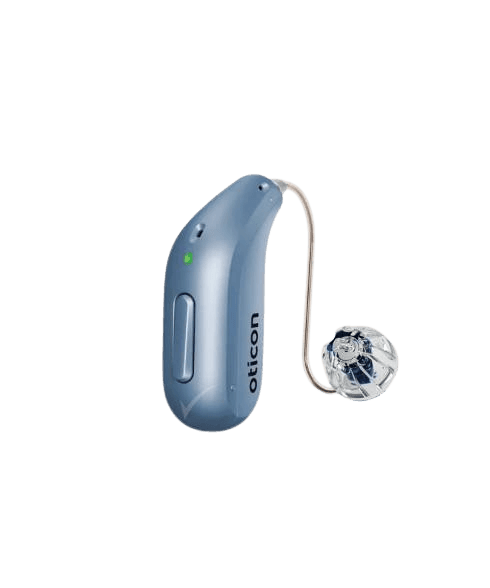
One of the most popular choices in 2026.
Best for:
- Mild to severe hearing loss
- Professionals
- Smartphone users
Advantages:
- Comfortable
- Natural sound
- Advanced Bluetooth features
Limitations:
- Slightly more delicate
2. Behind-the-Ear (BTE)
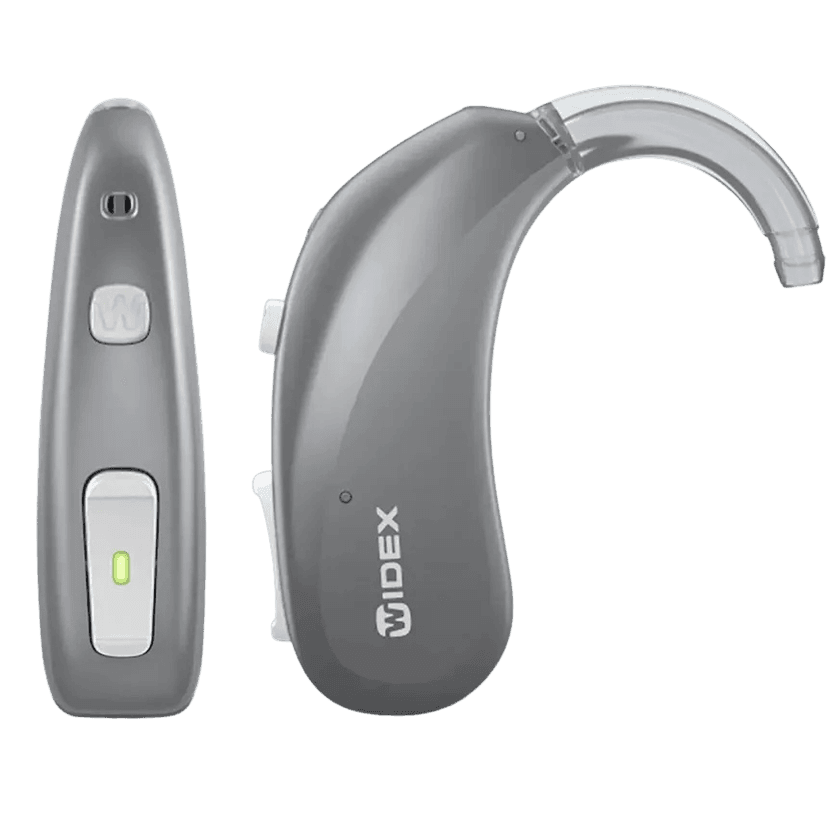
Powerful hearing aid placed behind the ear.
Best for:
- Severe to profound hearing loss
- Long-term reliability
Advantages:
Not sure which hearing aid suits your hearing loss?
Free audiologist consultation at our clinics in Noida, Delhi, Gurugram and Kolkata.
- Strong amplification
- Easy maintenance
Limitations:
- More visible
3. In-the-Ear (ITE)
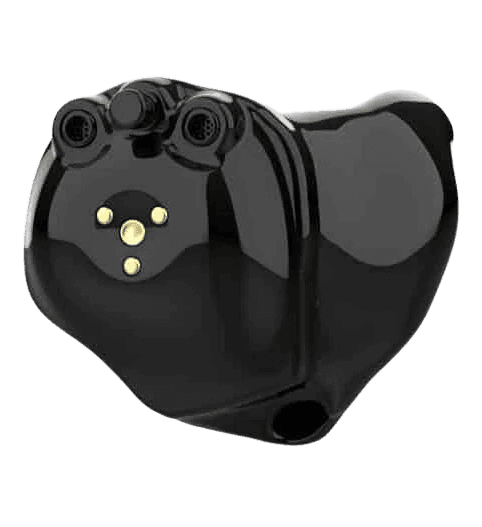
Custom fit inside outer ear.
Best for:
- Moderate hearing loss
- Users wanting easier handling
Advantages:
- Larger controls
- Comfortable use
4. Completely-in-Canal (CIC)
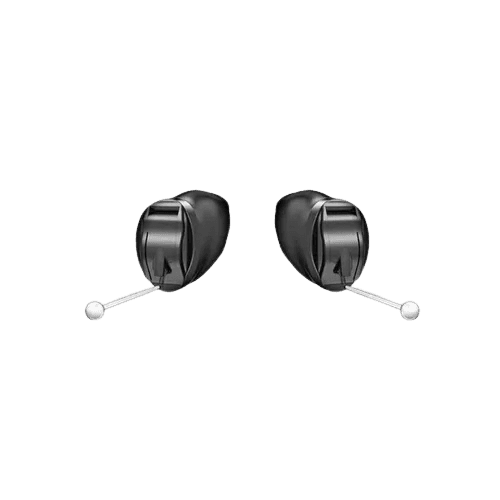
Small and discreet.
Best for:
- Mild to moderate hearing loss
Advantages:
- Cosmetic appeal
Limitations:
- Limited battery and controls
Features to Look for in Digital Hearing Aids (2026)
AI-Based Sound Processing
Modern hearing aids analyze listening situations and adapt automatically.
Noise Reduction Technology
Reduces unwanted environmental sounds.
Directional Microphones
Focuses on conversations.
Bluetooth Connectivity
Connect with:
- Android
- iPhone
- TV
- Laptop
Rechargeable Technology
No frequent battery replacement.
Telehealth & Remote Programming
Settings can often be adjusted remotely.
Tinnitus Management
Selected models offer integrated sound therapy.
Comparison Table: Entry-Level vs Premium Digital Hearing Aids
| Feature | Entry | Premium |
|---|---|---|
| Speech Clarity | Basic | Advanced |
| Noise Management | Standard | AI-based |
| Bluetooth | Limited | Full |
| Rechargeable | Optional | Standard |
| Automatic Adaptation | Limited | Intelligent |
| Remote Care | Rare | Common |
Audiologist’s Perspective – Guidance by Audiologist Krishna Jain
According to Krishna Jain, selecting a hearing aid should start with hearing evaluation and daily listening requirements—not simply the most expensive model.
Key recommendations commonly followed in clinical hearing care:
If you stay mostly at home:
- Mid-level technology may be enough.
If you work in offices or meetings:
- Prioritize speech enhancement and noise control.
If you use calls frequently:
- Bluetooth-enabled RIC models can be practical.
If hearing loss is severe:
- Consider high-power BTE or advanced RIC options.
Questions patients should ask during consultation:
- How often am I in noisy places?
- Do I need rechargeability?
- Which smartphone do I use?
- Will I need future adjustments?
What Research Says About Digital Hearing Aids
Recent hearing research continues to support the benefit of properly fitted digital hearing aids.
Research findings suggest:
- Hearing devices improve communication and listening outcomes for adults with mild to severe hearing loss.
- AI and machine-learning systems are improving real-time speech and noise classification.
- Deep neural network–based noise reduction shows measurable improvements in speech understanding in noisy environments.
- Professional fitting and customization remain important for satisfaction and long-term success.
Community discussions also show that users often care more about comfortable fit, reliable follow-up support, speech clarity, and easy controls than long lists of features.
Who Should Consider Digital Hearing Aids?
Digital hearing aids may suit:
Adults with hearing loss
Senior citizens
Working professionals
Students
Smartphone users
People seeking rechargeable solutions
Maintenance Tips
- Clean daily
- Keep away from moisture
- Charge regularly
- Replace domes and filters
- Schedule periodic hearing reviews
Common Buying Mistakes
Choosing based only on price
Skipping hearing testing
Buying invisible models despite severe loss
Ignoring after-sales support
Avoiding follow-up tuning sessions
Frequently Asked Questions (FAQs)

Are digital hearing aids better than analog?
In most situations, yes. Digital hearing aids provide more personalization, better speech management, and smartphone integration.
What is the average hearing aid price in India?
Digital hearing aids typically range between ₹30,000 and ₹4 lakh+ depending on features and technology.
Which hearing aid type is most popular in 2026?
RIC (Receiver-in-Canal) remains among the most preferred styles for comfort and sound quality.
How long do digital hearing aids last?
Typically 4–7 years, depending on usage and maintenance.
Do hearing aids completely restore normal hearing?
No. They improve hearing performance but do not cure hearing loss.
Final Thoughts
Digital hearing aids in 2026 are becoming smarter, more connected, and increasingly personalized. The best results usually come from combining the right device, proper fitting, realistic expectations, and expert audiology guidance.
Choosing the correct hearing aid is less about buying the newest technology—and more about finding the device that fits your hearing profile and everyday life.